Table Of Content

Eventually, people will have their own habits and biases about our product. So how can you use the principles of design in your own work? Here are our three top tips for using principles of design to take your art to the next level.
ELEMENTS OF DESIGN - Nantucket Magazine
ELEMENTS OF DESIGN.
Posted: Fri, 01 Sep 2023 07:00:00 GMT [source]
Visual Design Principles
A tool graphic designers and artists use to illustrate and explain subjects. This design element is fundamental to design balance, and it plays a crucial role in creating stunning graphics. The strategic use of color influences visual balance in graphic design. For example, shapes like triangles direct attention to unique features or specific pieces of content when used in graphic design. Shapes complement the design cohesively and facilitate a deeper comprehension of the desired message. Design principles are guidelines, biases and design considerations that designers apply with discretion.
Eye candy design works
There is no fixed number of design principles that a designer or marketer needs to know. Some brands may need more order in their communications, while others thrive on chaos. Conversely, the actual professional content and visual elements that make up the design are called positive space. Space also refers to the locations of the text, pictures, or other graphic components. Color is one of the most complex elements of design to master and possibly the hardest to comprehend.
The Principles of Service Design Thinking - Building Better Services
Most people think if it looks good, it has to work well as well. The vibe of a website decides whether a person will stay and discover the features. Design is engineering in the sense that we know how to engineer delight. Through visual design, we bring meaning to ordinary things and help people find value. That is why it’s vital for design agencies to keep it humble and always research their users, study their goals and pains.
The elements of visual design — line, shape, negative/white space, volume, value, colour and texture — describe the building blocks of a product’s aesthetics. On the other hand, the principles of design tell us how these elements can and should go together for the best results. Many of the principles below are closely related and complement one another. The elements of design described above are the building blocks of any composition. Don’t confuse them with the principles of design — unity, balance, proximity, alignment, contrast, emphasis, repetition, proportion, hierarchy, movement, and figure-ground. Design principles help designers arrange elements on a page in the most logical, functional, and appealing manner.
To narrow down your selection process, have a look at the three major categories of typefaces that most fonts belong to. See whether serif, sans-serif, or a decorative style fits best with your brand and do your research within one category. For example, insert a border within a frame on your canvas to create a multi-dimensional effect and make the elements within that inner border the focus of your design. You can also experiment with text, icons, or textures as framing devices around objects. Motion refers to movement and animation that help designers enhance user experience and communicate information about a product or service. In the physical world, we can touch the subject, e.g., a flower, and feel the texture of its petals — smooth, thin, and veined.
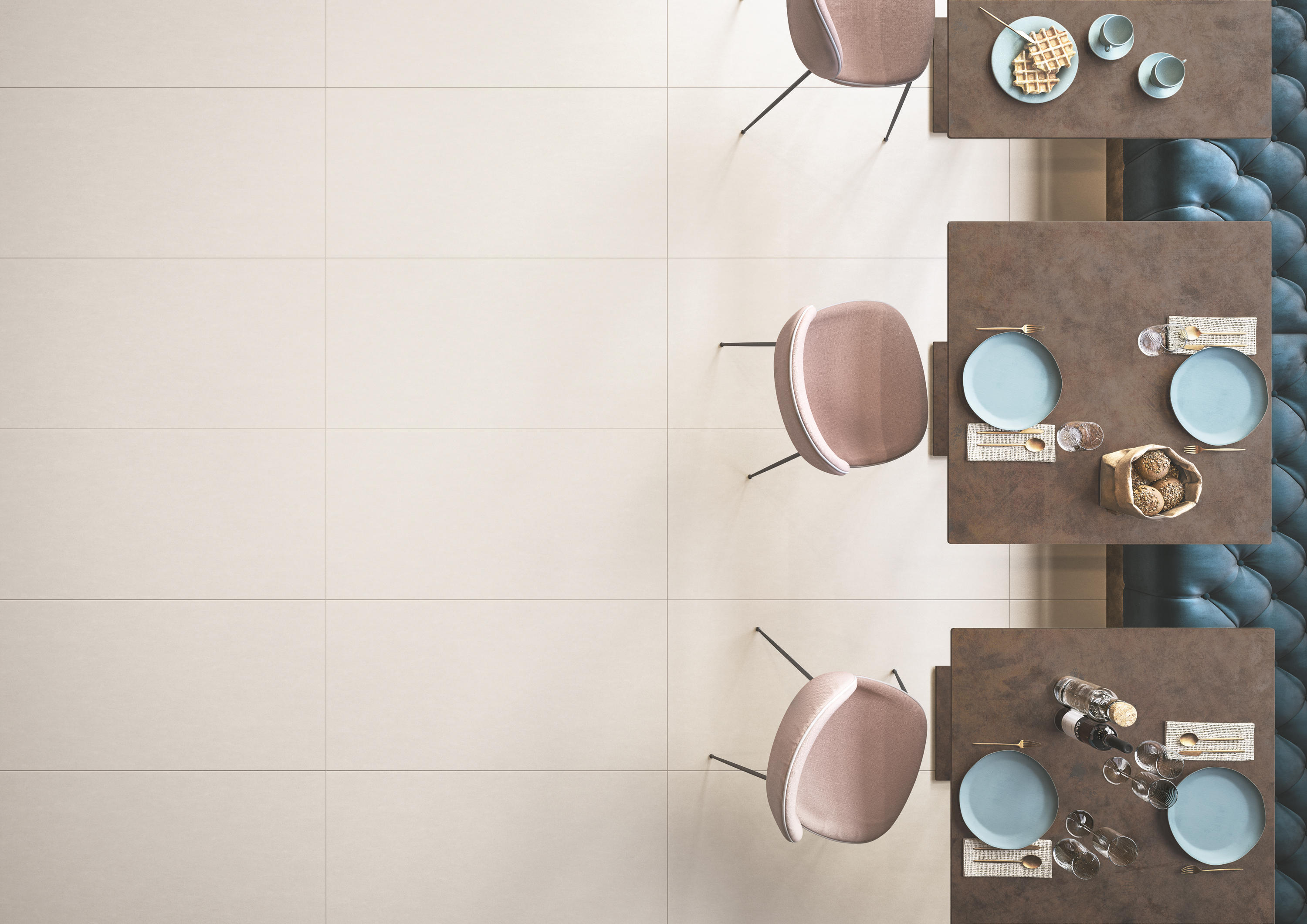
Designers use negative space to create breathing room, guide the viewer's attention, and add a sense of openness and harmony to their designs. The elements of art are the same as elements of design; color, form, line, shape, space, texture, and value. They act as tools that artists use to create their artwork while including rhythm, proportion, balance, unity, emphasis, movement, and variety.
Maximalist Interior Design: Understanding the Key Elements - Family Handyman
Maximalist Interior Design: Understanding the Key Elements.
Posted: Mon, 22 Jan 2024 08:00:00 GMT [source]
Principle 2: Emphasis
The elements of design refer to a set of particular guidelines for graphic designers or artists. Design elements are the basic unit of painting, design, drawing, or any other visual piece coming into existence. The principles of design are fundamental concepts that guide the arrangement and organization of elements within a visual composition. These principles help designers create aesthetically pleasing, balanced, and effective designs. The main principles of graphic design are balance, contrast, emphasis, repetition and pattern, proportion, movement, white space, unity, and variety. Like many kinds of art, graphic design has its basic principles and elements.
Use shapes to create patterns, textures, or symbols depending on the relationship you construct between them. You can use lines to offset parts of your design and draw the eye to a particular area or focal point. In advertising, guide the audience to the main object or product you want to sell.
One of the most common complaints designers have about client feedback often revolves around clients who say a design needs to “pop” more. While that sounds like a completely arbitrary term, what the client generally means is that the design needs more contrast. Emphasis is a strategy to draw the viewer’s attention to a specific aspect of a composition, helping the viewer focus. However, remember that you don’t have to follow all of these principles to have a groundbreaking design. Like every story, a design should have a beginning and an end.

Ashley Sufflé Robinson has a Ph.D. in 19th Century English Literature. As a content writer for PrepScholar, Ashley is passionate about giving college-bound students the in-depth information they need to get into the school of their dreams. Designers use a Z-pattern for layouts with less text and more visuals. With this pattern, viewers scan across the top of the page and then diagonally down towards the opposite corner. As Jared Spool, an expert on design and usability, says, “Good design, when it’s done well, becomes invisible. It’s only when it’s done poorly that we notice it.” This is why good design is tricky to define.
The principles of design are the rules a designer follows to have a composition that’s just right. They help you create artwork that’s not only beautiful and eye-catching but also correct in ways professionals can see and viewers feel. Graphic designs have various elements that designers must understand well to create visually pleasing digital graphics. Color, shape, and form are popular design elements you are familiar with, but other elements are just as important. In the first lesson, you’ll learn the difference between visual design elements and visual design principles. You’ll also learn how to effectively use visual design elements and principles by deconstructing several well-known designs.


No comments:
Post a Comment